For most households, washing bed sheets about once a week is a sensible routine. Sheets collect sweat, body oils, dead skin cells, dust, pet dander and microorganisms while we sleep. Leaving them unchanged for three weeks is not automatically dangerous, but buildup may cause odors, skin irritation or worsening allergy symptoms.
Some people may need to wash bedding more frequently. Consider changing sheets every few days if someone sweats heavily, sleeps with pets, has allergies or asthma, goes to bed without showering, or is recovering from an illness. Pillowcases may also benefit from more frequent washing because they come into direct contact with facial oils, hair products and cosmetics.
Always check the care label before choosing the temperature. Use detergent, avoid overloading the machine and dry the bedding completely. Hotter settings may help reduce dust-mite allergens when the fabric permits them, but regular washing and thorough drying are more important than using extreme heat every time.
So, washing sheets once every three weeks is less frequent than commonly recommended. However, it is your daughter-in-law’s home and personal routine. Rather than repeatedly confronting her, it may be better to avoid commenting unless the bedding directly affects you or there is a genuine health concern.

Related Posts

The Judge Exposed What My Son Had Done
Preston Gaines cleared his throat. “Your Honor, my clients are simply concerned about Mrs. Ashcroft’s declining judgment.” Judge Lang looked directly at him. “Then why does the…

The Hurricane Ended Their Free Ride
Nathan looked down at the lease. Danielle looked at him. Mrs. Prescott was the first to speak. “You’re serious?” “Yes.” The next thirty days were the quietest…
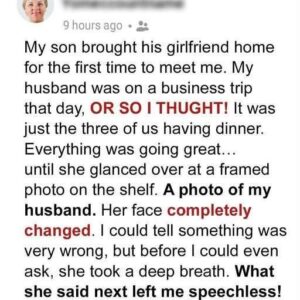
The Photo on My Shelf Exposed My Husband’s Secret Life
The girl stared at the framed photo and whispered, “I’m so sorry… but that man is my mother’s boyfriend.” For a moment, I thought she had mistaken…

What Police Found in Our Bedroom Explained Why He Told Me to Run
Later that day, an officer called and asked us to return only after they had finished searching the apartment. What they found made my stomach drop. A…
The Mansion Finally Revealed What They Never Asked
I looked at Dad and said one word. “No.” Colton laughed. Dad did not. He told me I was being selfish. Mom reminded me that family was…
The Two Envelopes Finally Exposed Craig’s Scheme
Craig stared at the envelopes. “What lawsuit?” “My lawsuit,” I said. “To remove the fraudulent mortgage and recover the losses it caused.” His face changed. Then Mom…