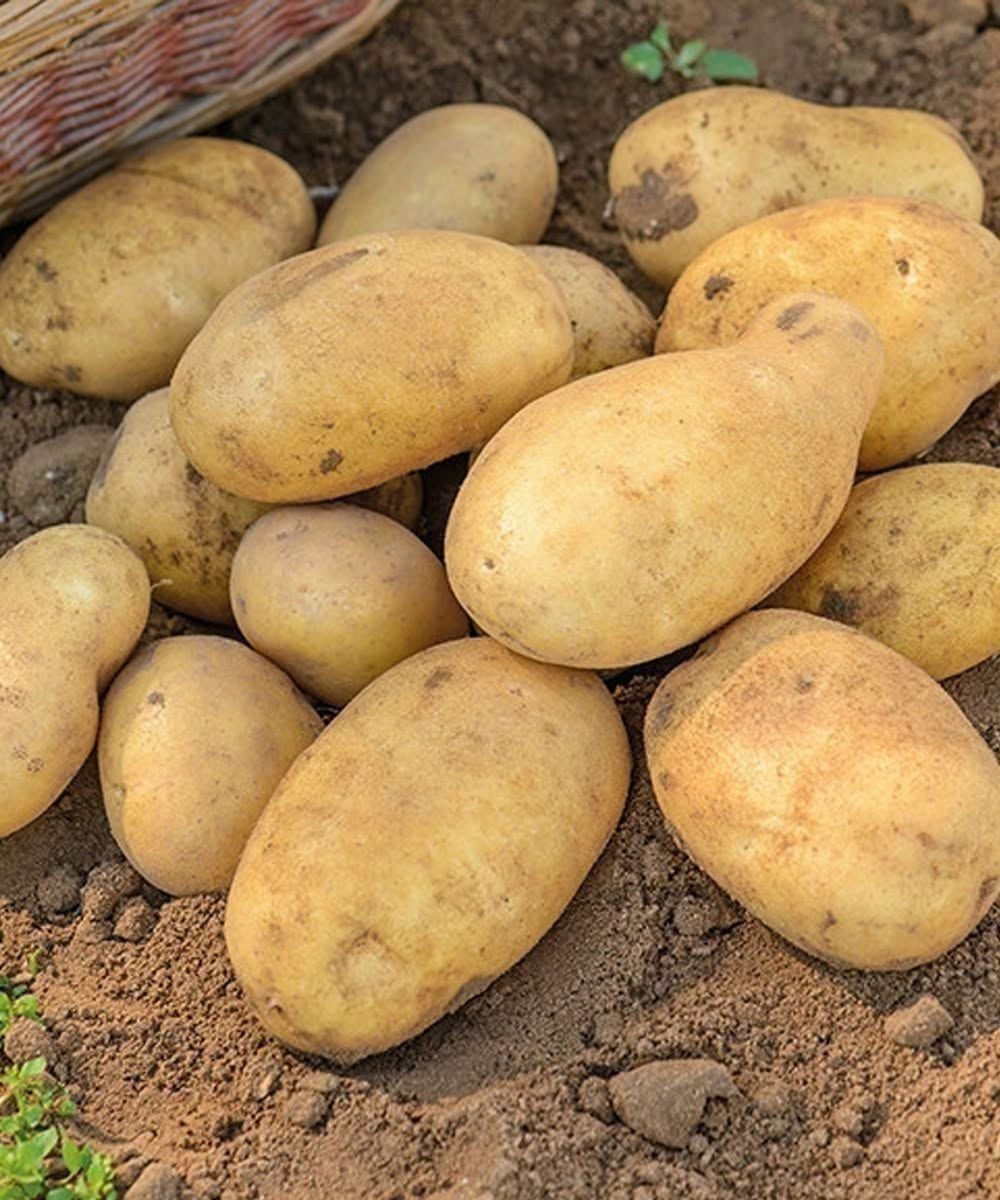

Potatoes have been a dinner-table staple for generations, but they’ve also picked up an unfair reputation over the years. While some people avoid them because they’re high in carbohydrates, doctors and nutrition experts say potatoes can actually be part of a healthy diet when they’re prepared the right way and eaten in reasonable portions.
One of the biggest benefits of potatoes is that they’re packed with important nutrients. They’re an excellent source of vitamin C, potassium, and vitamin B6, all of which help support the immune system, heart health, and normal muscle function. Potatoes also contain fiber—especially when eaten with the skin—which can aid digestion and help you feel full for longer.
Doctors point out that the biggest health concern isn’t usually the potato itself, but how it’s prepared. Deep-fried potatoes, loaded with salt and unhealthy fats, can contribute to excess calorie intake. On the other hand, baked, boiled, or roasted potatoes without excessive butter or heavy toppings can be a nutritious side dish that fits into a balanced eating plan.
Another surprising fact is that cooked potatoes that have been cooled before eating develop more resistant starch, a type of carbohydrate that may support gut health and help regulate blood sugar. This means foods like potato salad made with sensible ingredients can offer benefits that many people don’t expect.
Of course, no single food is a magic solution for better health. Doctors recommend enjoying potatoes alongside vegetables, lean proteins, and healthy fats rather than relying on them as the main part of every meal. People with certain medical conditions, such as diabetes, should also pay attention to portion sizes and discuss their diet with a healthcare professional.
The bottom line is that potatoes aren’t the nutritional villain they’re sometimes made out to be. Prepared in healthy ways and enjoyed as part of a balanced diet, they can provide valuable vitamins, minerals, and energy while supporting overall health. Sometimes it’s not the food itself that matters most—it’s what we do with it.


