The Truth About Bologna: What’s Really Inside America’s Most Misunderstood Lunch Meat?

Bologna is one of those everyday foods that most people rarely think about. It shows up in sandwiches, lunchboxes, and quick meals, yet it has long carried the nickname “mystery meat.” That label has led many people to wonder what bologna is actually made of, but the truth is much less mysterious than its reputation suggests.
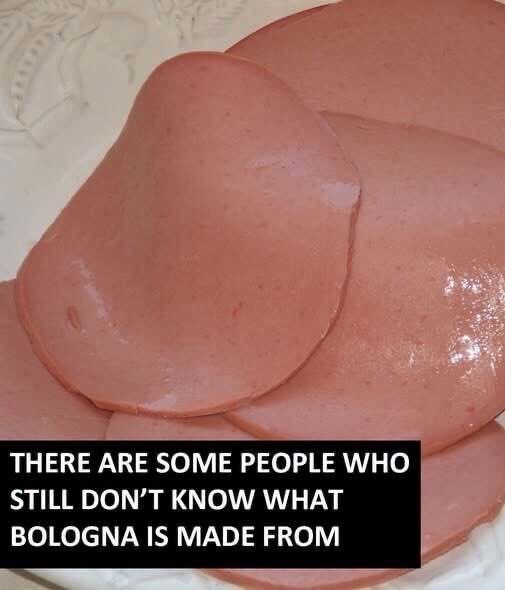
Bologna traces its roots back to centuries-old sausage-making traditions in Europe. Originally, sausages were created as a practical way to preserve meat and make the most of available ingredients. Modern bologna follows that same tradition, using meats such as beef, pork, chicken, or a combination of them. These meats are blended with fat and seasonings before being finely ground into a smooth mixture. The mixture is then cooked, and in some cases smoked, to create the familiar flavor and texture.
Its smooth consistency is completely intentional. Unlike rustic sausages that contain visible chunks of meat, bologna is emulsified to create an even texture that slices easily and stays consistent from one package to the next. This process also helps improve shelf life and makes the product affordable for everyday consumers.
One of the biggest misconceptions is that bologna contains unusual or low-quality ingredients. In reality, commercially produced bologna must meet strict food safety and labeling regulations. While it is certainly a processed meat, manufacturers are required to use approved ingredients and follow rigorous production standards.
American bologna also has an interesting history. It was inspired by Italian mortadella, a traditional sausage from the city of Bologna. Mortadella typically has a coarser texture, visible cubes of fat, and sometimes even pistachios. As the recipe evolved in the United States, it became milder, smoother, and easier to mass-produce, making it a convenient staple for millions of households.
Although bologna isn’t considered a gourmet food, it isn’t the mysterious product many people imagine. It’s simply a modern version of a centuries-old sausage tradition, designed to be affordable, convenient, and consistent. Its lasting popularity reflects how traditional food-making techniques have adapted to meet the needs of everyday life while remaining a familiar part of kitchens around the world.
