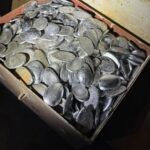

Harold immediately sealed the cellar and contacted regional agricultural authorities before any inventory could be moved. When inspectors arrived, they confirmed the wooden crate did not contain wine samples as expected, but instead held replacement export seals and reprinted compliance labels designed to overwrite official shipment records.
The supply worker from the footage was interviewed the same day. He admitted entering the cellar but insisted he believed he was assisting with a routine audit requested by the export office. According to him, the agricultural auditor had flagged discrepancies in barrel aging reports and instructed him to retrieve the crate for verification before the next shipment cycle. He never opened it and assumed it contained standard documentation.
Investigators soon uncovered the larger plan.
The auditor had been quietly manipulating export classifications across several vineyards in the region, downgrading premium batches into lower compliance tiers. This would have allowed a hidden logistics network to buy undervalued stock, relabel it abroad, and resell it as premium estate wine at significantly higher margins.
She didn’t expect Harold’s manual archive system to catch her.
After a previous incident years earlier, he had started keeping handwritten cellar logs that mirrored the digital system exactly. When he compared the two records after the ownership transfer, he noticed a mismatch in barrel rotation timestamps—just enough to prove the cellar had been accessed outside of approved hours.
That small inconsistency unraveled the entire scheme before any shipments left the estate.
The altered records were voided, the export approvals frozen, and the network flagged for investigation.
A few days later, Adrian stood quietly in the cellar, running his hand over an aging barrel.
“I thought I was inheriting a vineyard,” he said.
I nodded.
“You were. We just had to make sure nobody turned it into something else first.”