Not washing eggs before cracking them can feel strange, but in the U.S., USDA guidance specifically says consumers should not wash commercially purchased eggs at home. USDA-graded eggs have already been washed and sanitized during processing under controlled conditions.
Washing them again under the kitchen faucet can actually create a problem. Eggshells are porous, and USDA warns that household washing can allow contaminated water to be drawn through those tiny pores into the egg.
Instead, food-safety authorities recommend focusing on what happens after you handle the eggs. Wash your hands, utensils, counters, and equipment with hot, soapy water before and after they contact raw eggs or foods containing raw egg.
Cracked eggs should generally be discarded, and eggs should remain refrigerated. Cooking them properly is far more important for food safety than rinsing their shells.
There is one important distinction: practices vary internationally and with freshly collected backyard eggs. Commercial eggs are processed differently depending on the country, so advice about washing and refrigeration is not identical everywhere.
So if your sister-in-law is using ordinary refrigerated supermarket eggs in the U.S., not washing them is actually the recommended practice.

Related Posts

Why Some People Put Their Top Sheet Upside Down
Putting a top sheet “upside down” is usually intentional, especially when the sheet has a printed or decorative side. The trick is simple: place the finished or…
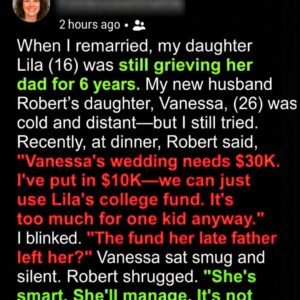
My Husband Wanted My Daughter’s College Fund—So I Made Him Reveal His Priorities
I smiled and said, “Fine. I’ll write the check—but only if you put the same amount into Lila’s college fund first.” Robert’s expression changed immediately. He had…

I Was Walking Along The Beach When I Stumbled Across This
I was enjoying a peaceful walk along the beach when an unusual object near the waterline caught my eye. At first, I assumed it was a piece…

My Brother-in-Law Returned My New Car Filthy—So I Gave Him a Lesson He Never Forgot
The delivery woman arrived at Jake’s apartment carrying several large boxes labeled with the name of a professional cleaning company. Inside were seat covers, floor protectors, stain-removal…
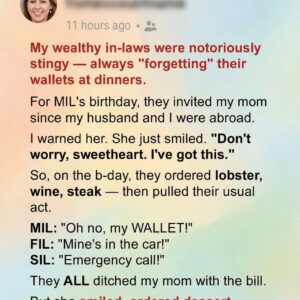
My Mom’s Restaurant Trick Finally Ended My In-Laws’ “Forgotten Wallet” Routine
My mom smiled at the manager and said, “Please split the bill by seat.” The manager nodded. Because everyone’s orders had been entered separately, it was easy…
The Boutique Counter Finally Ended Their Expensive Habit
Melanie recovered first. “Mom, don’t embarrass me.” That sentence told me everything. Not I’m sorry. Not I’ll pay you back. Just concern that someone might finally notice…